

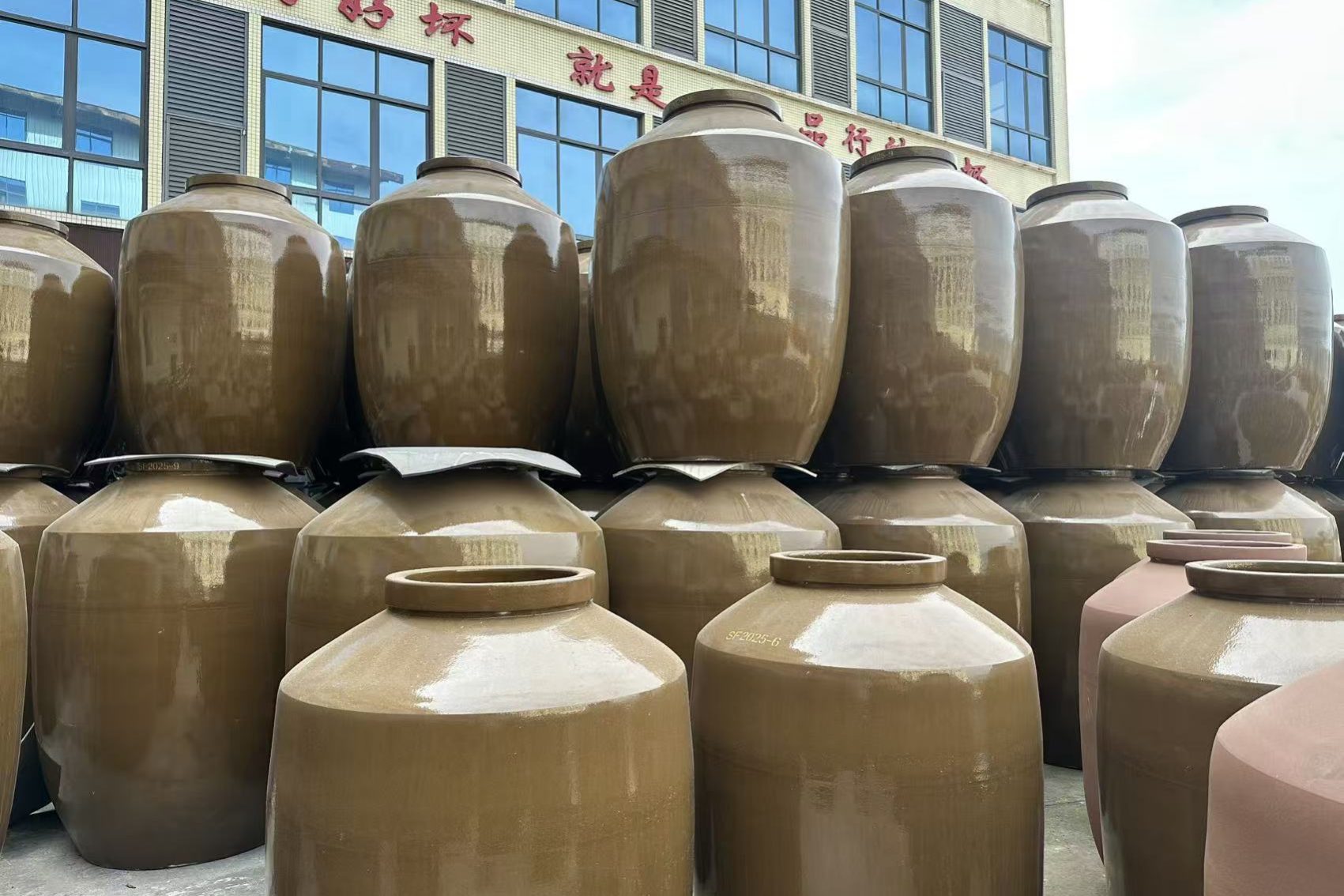
We offer you high-quality clay wine jars.
What Is a Clay Wine Jar
A clay wine jar is a wine storage and fermentation container made mainly from natural clay, which is shaped and fired at high temperatures. Thanks to its natural properties and practical features, it is widely used in the field of winemaking and wine preservation, favored by both professional wineries and home winemaking enthusiasts.
The core raw material of clay wine jars is natural clay, a natural sediment composed of various minerals. Its production process usually includes the following steps:
First, the clay is screened, kneaded and aged to remove impurities, enhance its plasticity and stability, and avoid cracking during firing.
Then, workers form the desired shape of the wine jar through methods such as hand-throwing, mold forming or segmental splicing .
Finally, workers put it into a kiln and fire it at high temperatures. This causes the moisture in the clay to evaporate and the mineral components to undergo chemical reactions, thereby hardening and setting it into a sturdy, porous container suitable for wine storage.
The Advantages of Clay Wine Jars
Excellent Micro-Breathability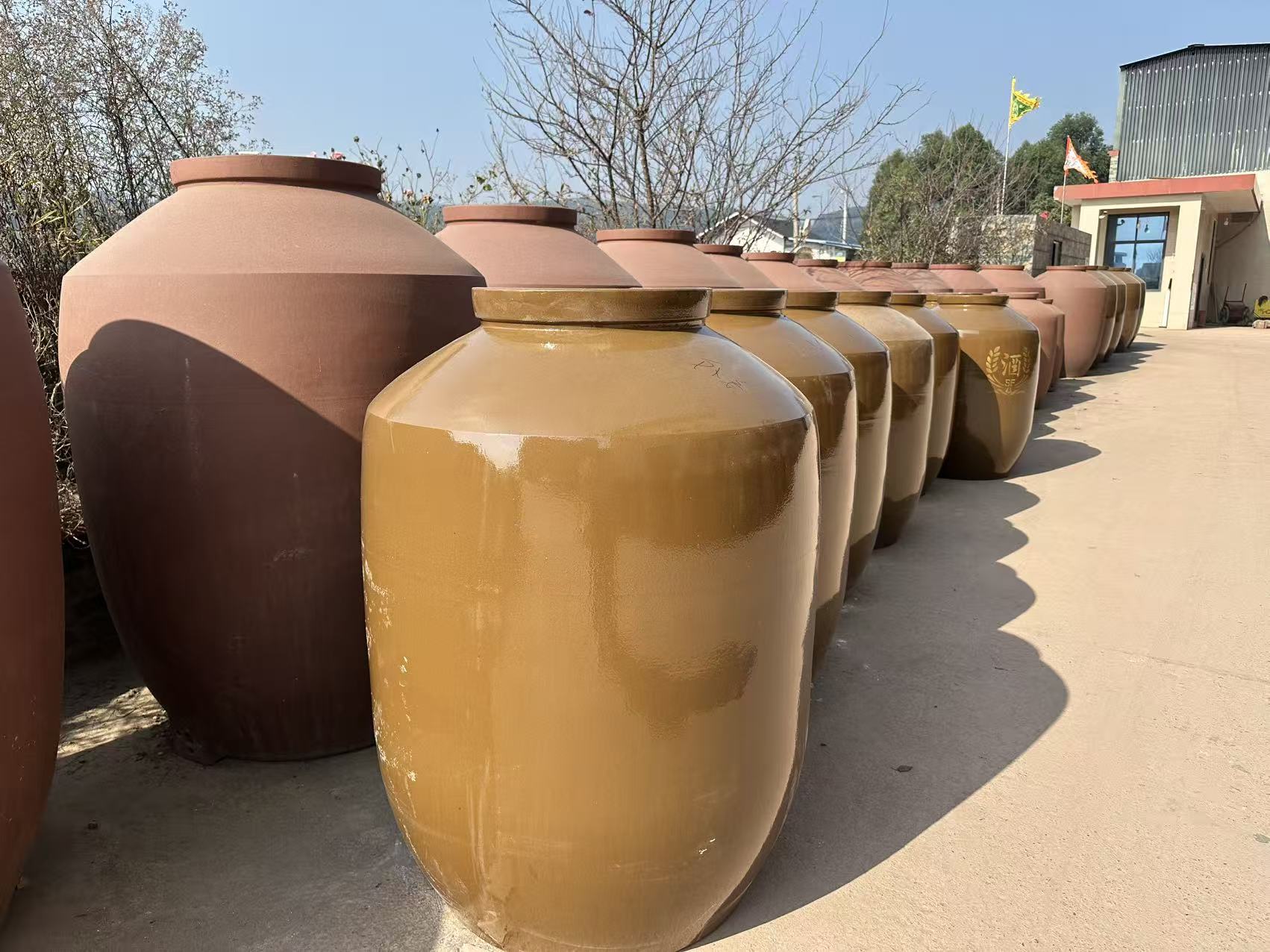
Clay is a porous material with tiny air pockets that allow air and moisture to circulate moderately through the jar walls. This “micro-breathable” feature enables the wine to slowly come into contact with air, promoting the maturation of the wine and enhancing its flavor layers. At the same time, it can effectively expel the excess carbon dioxide generated during the fermentation process, avoiding the problem of wine spoilage caused by excessive pressure inside the jar.
Temperature Stability
Clay acts as a natural insulator, protecting the wine from extreme temperature fluctuations:
In hot weather, it stays cooler than glass or metal wine containers, preventing the wine from overheating and deteriorating.
In cold weather, it slows down heat loss, reducing the damage to the wine’s texture caused by sudden temperature drops.
Natural Moisture Regulation
The porous nature of clay also helps regulate the humidity inside the jar: it can absorb excess moisture in the wine storage environment. When the surrounding air is too dry, the absorbed moisture evaporates slowly through the jar walls, maintaining a stable humid environment inside the jar, which is crucial for the long-term preservation of wine.
Safety and Eco-Friendliness
High-quality clay wine jars are made of 100% natural clay without adding any toxic substances. During the high-temperature firing process, harmful impurities are completely removed, so they will not react with the wine or contaminate the wine quality. They are degradable and environmentally friendly, in line with the modern concept of green living.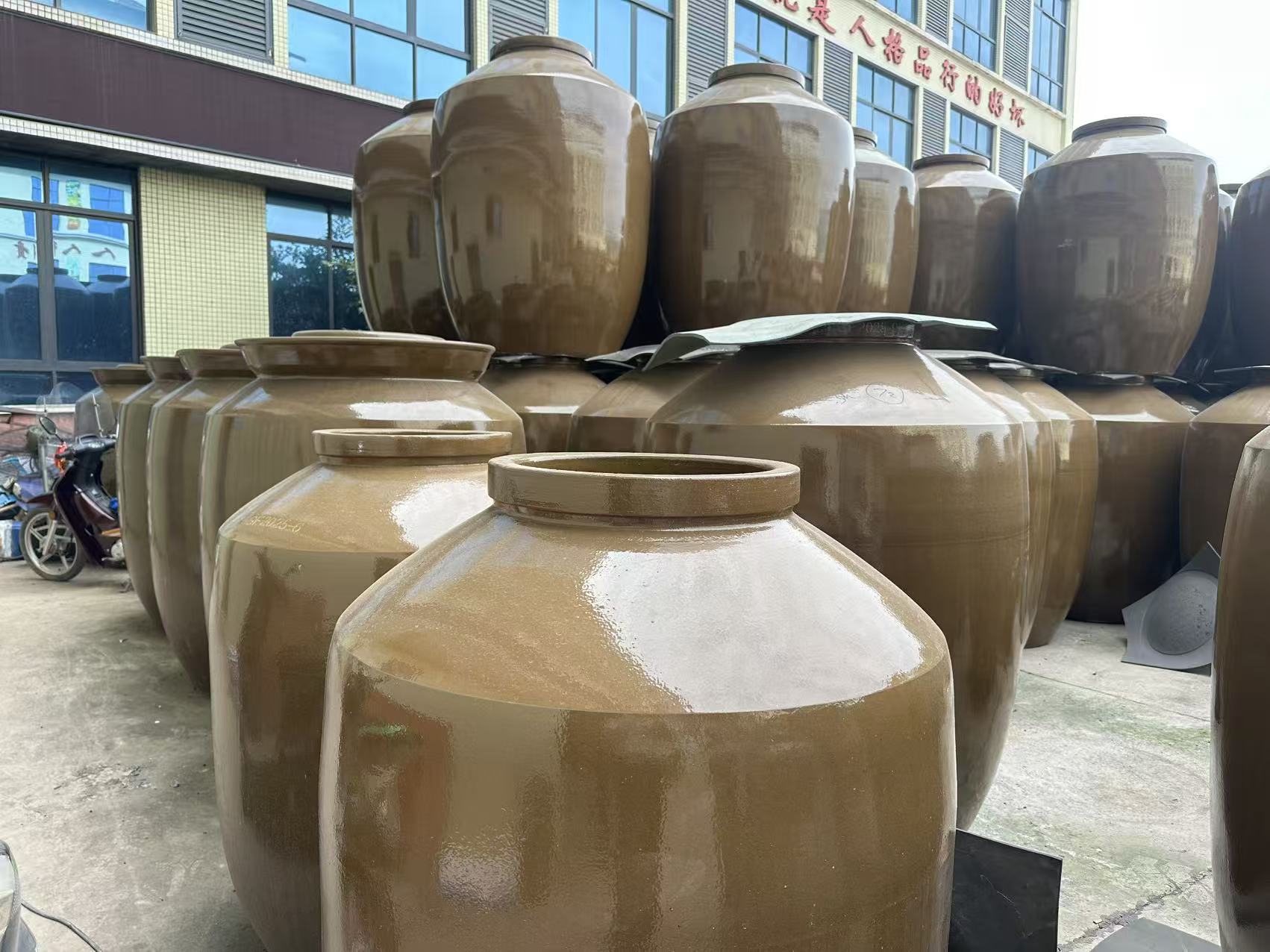
Our Clay Wine Jars
Consumers can learn about high-quality clay wine jars through professional wine container suppliers like us. Our clay wine jars have many outstanding features. They are made from premium natural clay (such as Rongxian clay with excellent quality), containing no toxic substances and causing no harm to the wine.
Our clay wine jars themselves have plenty of tiny air pores, allowing moderate air circulation inside. This means the wine can undergo natural maturation slowly, enhancing its aroma and taste, and you don’t have to worry about the wine becoming stale due to poor air circulation. The bottom is equipped with specially designed drainage and ventilation holes which can be sealed according to fermentation needs, which allow excess water to drain out smoothly during the winemaking process and ensure the circulation of air at the bottom of the jar. This prevents water accumulation and wine spoilage, maintaining the ideal environment for wine fermentation and storage.
Compared to glass or plastic wine containers, our clay wine jars are much sturdier and thicker. Whether placed indoors or outdoors, they can withstand wind and rain and are not easy to break or tip over.
Customization is available: We provide customized services for capacity, shape, surface texture and other aspects according to the needs of wineries, restaurants or home winemaking enthusiasts.