

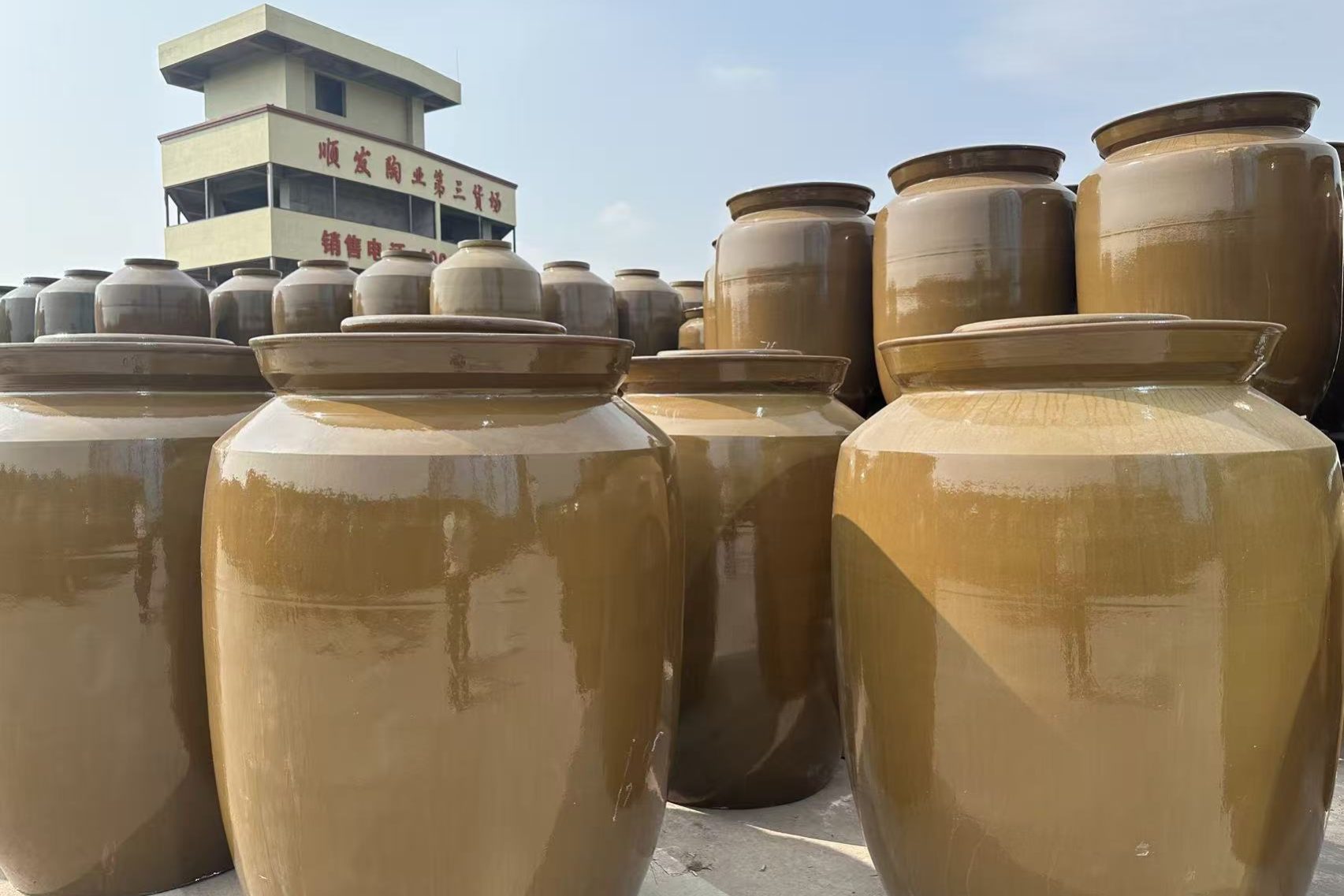
The handmade clay kimchi jar, an ancient and traditional vessel for fermenting and preserving vegetables, boasts a long history deeply rooted in culinary cultures worldwide. Today, the art of using clay kimchi jars for fermenting is experiencing a global revival, as more people seek authentic, probiotic-rich fermented foods.
Compared to modern plastic containers and glass jars, handmade clay kimchi jars offer a unique fermentation experience, producing kimchi that better retains the natural flavors of vegetables and develops richer, more complex tastes. This is the real reason why so many home cooks, professional chefs, and fermented food enthusiasts seek them out.
Therefore, clay kimchi jar fermentation allows for a deep connection between the traditional clay fermenting vessel and modern healthy eating concepts. This comprehensive guide explores everything you need to know about selecting and using these timeless vessels.
Clay Kimchi Jar Manufacturing Process
1. Material Selection & Preparation
Selecting and refining suitable clay is central to material preparation, aiming to ensure the finished product possesses the required plasticity, strength, and air permeability—key properties for successful kimchi fermentation. The specific process steps are as follows:
1.1. Raw Material Selection
Clay Source: Clay used for making kimchi jars is typically sourced from natural clay rich in minerals like iron and aluminum, with moderate moisture retention. These minerals influence the jar’s texture and fermentation-friendly properties.
Clay Type: Red clay or gray clay is commonly used, resulting in a classic reddish-brown or grayish color after firing, consistent with the historical characteristics of traditional kimchi jars.
2. Clay Refining
This is a crucial step in transforming raw clay into usable material, aiming to remove impurities, homogenize the composition, and achieve the desired texture for fermentation.
2.1. Clay Weathering and Aging
Purpose: Extracted clay blocks need to be naturally weathered outdoors to break down. They are then soaked in water and stored in a humid environment for weeks or even longer .
Function: Microbial action enhances the plasticity of the clay, making it more flexible and easier to shape, while reducing the risk of cracking during drying and firing.
2.2. Purification and Clay Preparation
Purification: Aged clay is stirred in water to form a slurry. Impurities such as sand, gravel, and plant roots are removed through sedimentation or filtration to ensure the clay’s purity.
Clay Preparation: Treading: Workers repeatedly tread the clay with their feet. This traditional method thoroughly removes air bubbles and evenly distributes moisture, which is vital for the jar’s structural stability.
Kneading: The clay is kneaded by hand like dough to further ensure a uniform internal structure and eliminate any remaining air bubbles that could cause defects.
3. Adding Blends
Purpose: To improve the properties of the clay, admixtures are usually added to meet the material’s physical performance requirements for kimchi fermentation.
Materials: Common blends include fine sand, crushed old clay shards, or natural plant fibers.
Functions: Reduces Shrinkage: Prevents excessive shrinkage and cracking during drying and firing.
Enhances Air Permeability: Maintains the clay’s natural porous structure, which facilitates micro-oxygenation during fermentation.
Increases Strength: Alters the clay structure, improving the toughness and durability of the finished kimchi jar. 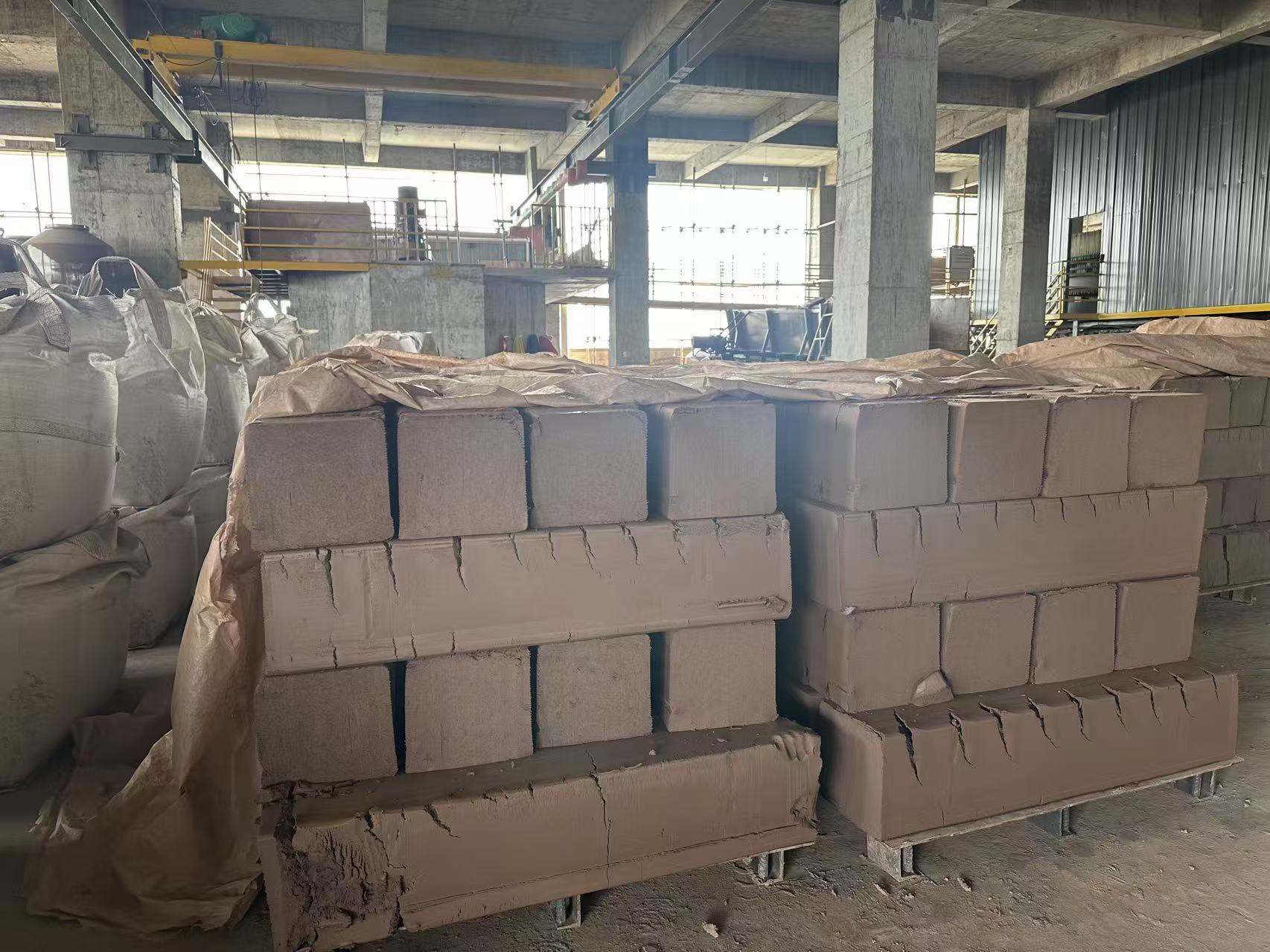
Clay Kimchi Jar Handcrafting Process
The production process of a handmade clay kimchi jar is completely different from that of industrially produced products. Each jar is crafted through a highly skilled hand-coil-building or wheel-throwing process, ensuring its uniqueness and functionality.
Artisans gradually build the walls of the kimchi jar using rolled-up strips of clay or shape it on a potter’s wheel, maintaining an even thickness while creating the jar’s distinctive wide-body, narrow-mouth design with a water-sealed rim—essential for anaerobic fermentation. This process typically requires exceptional skill and patience to ensure the quality of each jar. This traditional pottery technique can produce jars of any shape and size while retaining the natural beauty of handmade pottery.
Step 1: Creating the Base and Initial Shape
Process: First, the craftsman flattens the kneaded clay into a thick disc to form the base of the kimchi jar. Then, using coils or the potter’s wheel, he builds the initial shape and height of the base along its edges.
Purpose: To establish the basic shape and stability of the jar’s body, ensuring it can stand firmly during fermentation.
Step 2: Constructing the Main Body of the Clay Kimchi Jar
The craftsman gradually constructs the main body of the kimchi jar using the coil-building or wheel-throwing method. This process is lengthy, and to ensure quality, the specific steps are as follows:
Process: For coil-building: Roll the clay into even strips, coil them layer by layer onto the base, and smooth the inner seams with hands or tools to ensure the clay strips are fully integrated, forming a uniform body wall.
For wheel-throwing: Center the clay on the wheel, then pull and shape it upward to form the jar’s body, focusing on maintaining even thickness and the characteristic wide belly.
Purpose: To gradually build the shape of the body, with a focus on creating the wide, stable structure needed for holding large quantities of kimchi.
Step 3: Shaping and Reinforcing the Clay Kimchi Jar
The artisan meticulously shapes and polishes the formed clay kimchi jar using specialized tools, making it more uniform in thickness and denser in structure. The key step here is shaping the water-sealed rim—a defining feature of kimchi jars.
Process: The artisan trims the jar’s body with a scraper to refine its shape and ensure even wall thickness.
He carefully shapes the jar’s rim into a water-sealed groove, ensuring it is smooth and deep enough to hold water for anaerobic sealing.
For reinforcement, the base is thickened and smoothed to prevent cracking under the weight of the kimchi and brine.
Purpose: To ensure the jar’s structure is dense and durable, capable of withstanding long-term fermentation.
To perfect the water-sealed design, which is critical for preventing air from entering and inhibiting the growth of harmful bacteria.
Step 4: Finishing the Surface of the Clay Kimchi Jar
The artisan meticulously polishes the surface of the jar using tools and decorates it according to design requirements.
Process: When the body is nearly hardened, polish the surface with a smooth pebble or cloth to make it dense and reduce surface porosity.
Optional steps: Engrave traditional patterns or logos on the jar’s exterior, or leave it in its natural fired state for a rustic look. Glazing is rarely used for the inner surface, as it would block the clay’s essential air permeability.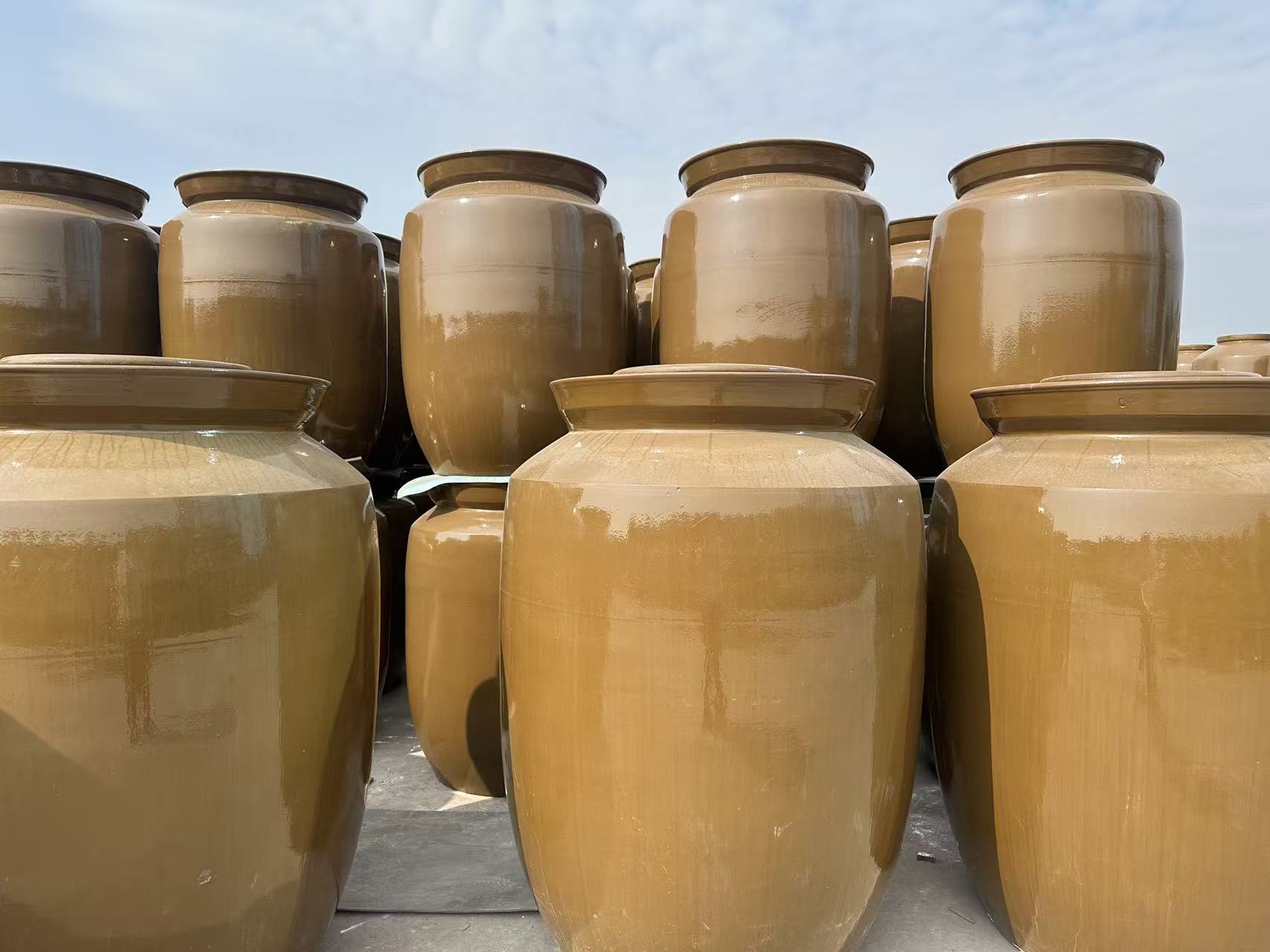
Clay Kimchi Jar Firing & Testing Process
Step 1: Firing Process
The firing of the kimchi jar takes place in a modern tunnel kiln or traditional earthen kiln and is a crucial step in ensuring permanent strength, durability, and fermentation performance. It is specifically manifested in the following three stages:
1. Preheating/Drying Stage
Temperature: Room temperature ~ 150°C
Purpose: To slowly and thoroughly remove residual physical moisture from the clay body.
Key Process: Temperature must be increased slowly, and the kiln opening must be kept open to allow moisture to escape. Rapid heating will cause the moisture inside the clay to vaporize rapidly, leading to cracking.
Step 2: Oxidation Firing Stage
Temperature: Approximately 950°C ~ 1050°C
Purpose: To thoroughly burn off organic impurities in the clay.
To allow the minerals in the clay to fully react with oxygen, forming a stable structure that retains the clay’s natural porosity while preventing leakage.
Key Process: A sufficient supply of oxygen is required to ensure the clay sinters properly and develops its characteristic color.
Step 3: Cooling and Sealing Stage
Process: After reaching the maximum firing temperature, the kiln is allowed to cool naturally with the kiln vents partially open, maintaining an oxidizing atmosphere.
Effect: Slow cooling ensures the jar’s structure remains stable and avoids thermal shock cracking. It also preserves the clay’s porous nature, which is essential for kimchi fermentation.
Clay Kimchi Jar Quality Inspection
After firing, the kimchi jar undergoes rigorous inspection to ensure its functionality as a fermentation container.
1. Appearance Inspection
Content: Check for cracks, deformation, uneven wall thickness, or severe color unevenness.
Standard: Any defect affecting structural integrity or the water-sealing function is fatal.
2. Sound Test
Method: Gently tap the body of the jar with your fingers or a small stick.
Judgment: A clear, resonant sound indicates that the body is well-sintered, internally dense, and free of hidden cracks.
A dull, hoarse sound: indicates possible internal cracks or underfiring, resulting in poor structural strength and potential leakage.
3. Leakage and Water-Seal Test
Method: Fill the finished jar with clean water and let it stand for 24-48 hours. For the water-seal test, add water to the rim groove and check if the seal holds.
Purpose: To check whether the body is fully sintered and whether the water-sealed rim functions properly—critical for anaerobic fermentation.
Clay Kimchi Jar Main Features
Natural Porosity: Natural micro-oxygenation through the clay gently promotes the growth of beneficial lactic acid bacteria, enhancing the kimchi’s flavor complexity and probiotic content. The porous structure also allows excess carbon dioxide to escape, preventing pressure buildup.
Thermal Properties: Clay’s natural insulation maintains a stable temperature during fermentation. This protects the delicate balance of microbes, reduces the risk of spoilage, and is particularly beneficial in climates with large daily temperature swings.
Mineral Influence: High-quality clay kimchi jars can infuse trace minerals into the kimchi, giving it a unique, earthy flavor and enhancing its nutritional value.
Water-Sealed Design: The specialized water-sealed rim creates a perfect anaerobic environment, inhibiting the growth of harmful mold and bacteria while allowing fermentation gases to escape.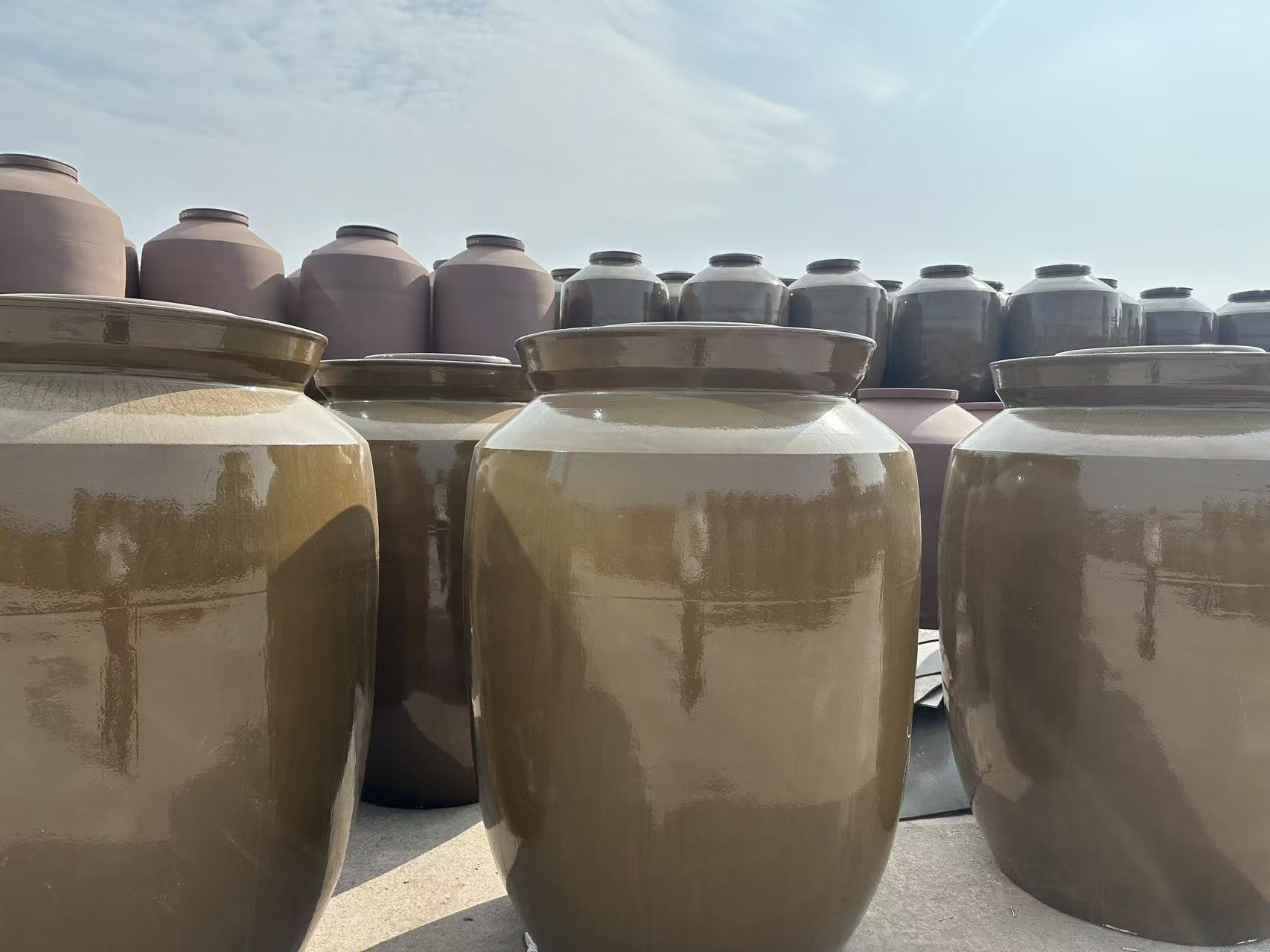
Clay Kimchi Jar Types
1. Traditional Shapes & Sizes
Classic Wide-Body Jars (5-50L): The most common design, with a wide belly and narrow mouth, perfect for home and small-scale kimchi fermentation.
Large Commercial Jars (50-200L): Elongated or cylindrical forms ideal for restaurants, fermented food workshops, or large-scale production.
Small Experimental Jars (1-5L): Compact options for testing new kimchi recipes, small-batch fermentation, or gifting.
Decorative Hand-Painted Jars: Jars with traditional patterns or custom designs, suitable for both fermentation and home decor.
2. Clay Kimchi Jar Custom Configuration Options
Leading manufacturers offer numerous customization possibilities:
Special rim sizes for different lid types .
Integrated drainage holes.
Customized wall thickness for specific fermentation speeds.
Reinforced bases for heavy-duty commercial operations.
Special clay blends for particular fermented foods.
Clay Kimchi Jar Fermentation Advantages
1. Quality Enhancement
Clay kimchi jars promote the growth of beneficial bacteria through micro-oxygenation, add mineral complexity, and enhance the kimchi’s crispness and shelf life. The anaerobic environment created by the water-sealed design ensures the kimchi develops its authentic, tangy flavor without spoilage.
2. Operational Benefits
Durable & low-maintenance, clay kimchi jars offer natural insulation and easy cleaning. They can be used for decades with proper care, providing cost-effective fermentation solutions for homes and businesses.
Clay Kimchi Jar Manufacturing Capacity
1. Manufacturing Advantages
As a professional handmade clay kimchi jar manufacturer and supplier in China, Hexin boasts nearly 50 years of clay making process expertise, advanced production equipment, and intelligent temperature-controlled tunnel kiln firing technology. Furthermore, the company has established a complete manufacturing process for clay kimchi jars. With this experience and capability, we can fully provide a one-stop solution for any kimchi fermentation project—from home use to large-scale commercial production.
2. Quality Assurance
Reputable manufacturers implement rigorous quality control measures:
Select high-quality raw materials and conduct analysis and testing.
Strict control over the manufacturing process.
Compliance with food safety certification systems.
Structural integrity and leakage stress testing.
Provision of third-party food safety testing reports.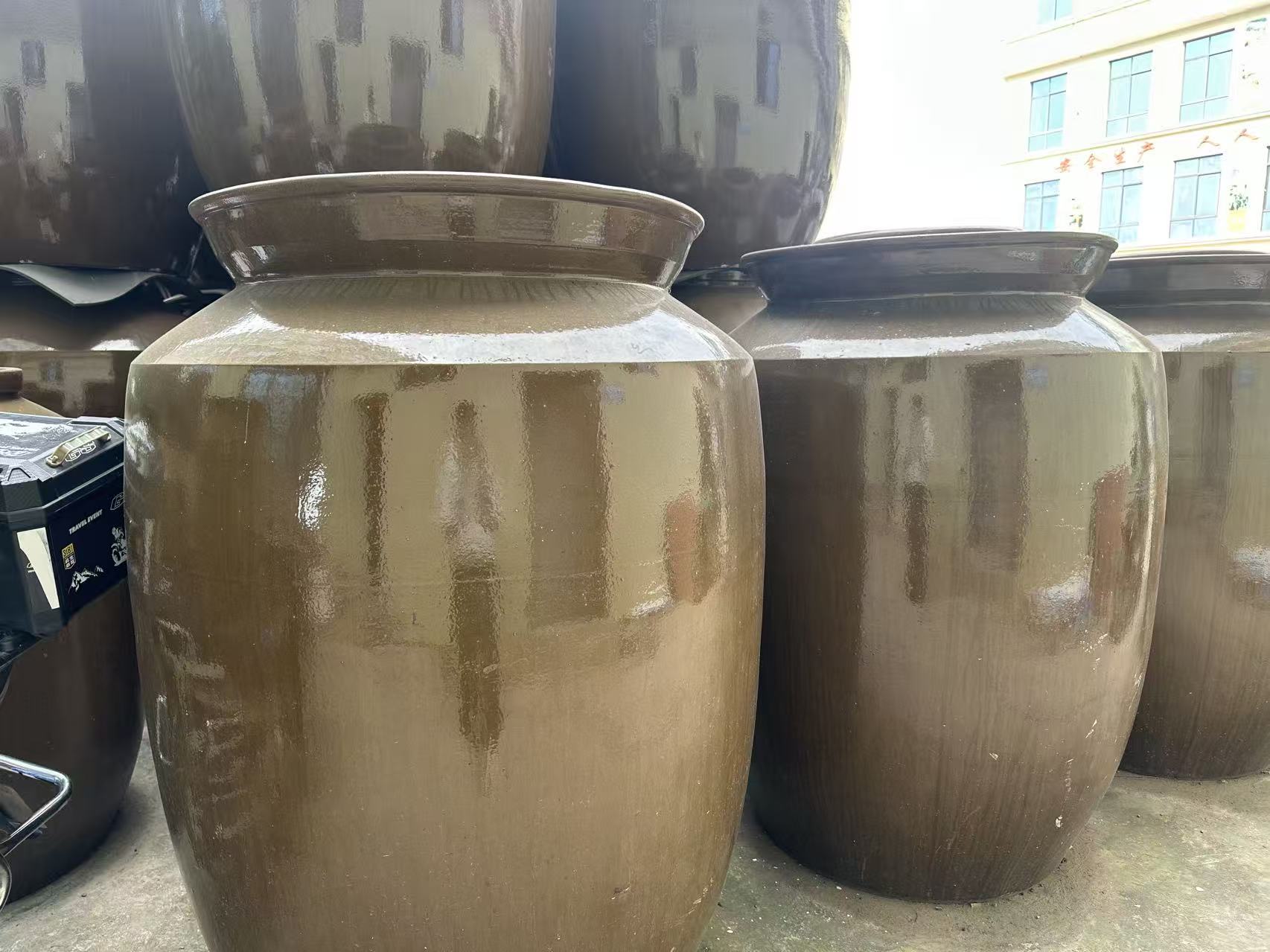
Clay Kimchi Jar Practical Implementation Guide
1. Initial Setup
Clean thoroughly with hot water and stiff natural bristle brushes.
Soak the jar in clean water for 24-48 hours to seal surface micro-pores and prevent the clay from absorbing too much brine during fermentation.
Air-dry completely before first use to avoid moisture buildup.
Season the jar with a small batch of brine for 1 week before regular use to establish a beneficial microbial environment.
2. Ongoing Usage
Ensure kimchi and brine are fully submerged under a weight to prevent exposure to air.
Maintain water in the rim groove at all times to preserve the anaerobic seal.
Store the jar in a cool, dark place for optimal fermentation.
Monitor fermentation progress by tasting periodically.
Clay Kimchi Jar Maintenance & Care
1. Regular Maintenance
Clean between uses with hot water and natural bristle brushes.
Inspect the water-sealed rim and body for hairline cracks before each filling.
Store the jar in a dry, well-ventilated area when not in use.
Protect from sudden temperature changes.
2. Long-term Preservation
Apply food-grade wax to the exterior surface annually to prevent moisture absorption and cracking.
Check structural integrity every 2-3 years.
Maintain stable humidity in storage areas to avoid clay drying out and cracking.
Keep detailed maintenance records for commercial use.
Clay Kimchi Jar Manufacturer Main FAQs
1. How long do handmade clay kimchi jars typically last?
With proper care, quality handmade clay kimchi jars remain functional for 20+ years. Their longevity depends on usage frequency, cleaning practices, and storage conditions. Regular inspection helps identify potential issues early.
2. Can clay kimchi jars be used for other fermented foods besides kimchi?
Absolutely! They are highly versatile and ideal for fermenting sauerkraut, pickles, fermented vegetables, fruit preserves, and even traditional sauces. The clay’s porous structure and water-sealed design make it suitable for any anaerobic fermentation process.
3. What’s the ideal jar size for a home cook?
For home use, 5-15 liter jars offer the best flexibility. They are large enough to make a meaningful batch of kimchi while being easy to store and handle. Most home cooks start with 1-2 jars before expanding.
4. How does cleaning compare to glass jars?
Clay kimchi jars require more gentle cleaning but are just as easy to maintain as glass jars. The process involves hot water, natural brushes, and air-drying. While they cannot be put in the dishwasher, the natural clay surface resists food residue buildup with proper cleaning.
5. What technical support do manufacturers provide?
Reputable suppliers offer comprehensive support including usage guidance, cleaning and maintenance protocols, and ongoing technical consultation. Many provide lifetime support for their handmade products, helping customers troubleshoot issues like leakage or fermentation problems.
Making the Right Choice
Selecting the perfect handmade clay kimchi jar requires careful consideration of your fermentation goals, production scale, and technical requirements. By understanding the manufacturing process, performance characteristics, and practical considerations, you can make an informed decision that enhances your fermented food quality and production capabilities.
The investment in quality handmade clay kimchi jars delivers returns through distinctive flavor, operational efficiency, and connection to traditional fermentation wisdom. As the market for authentic, probiotic-rich fermented foods continues growing, these ancient vessels offer a path to creating truly memorable kimchi and fermented foods that stand apart in a crowded marketplace.