

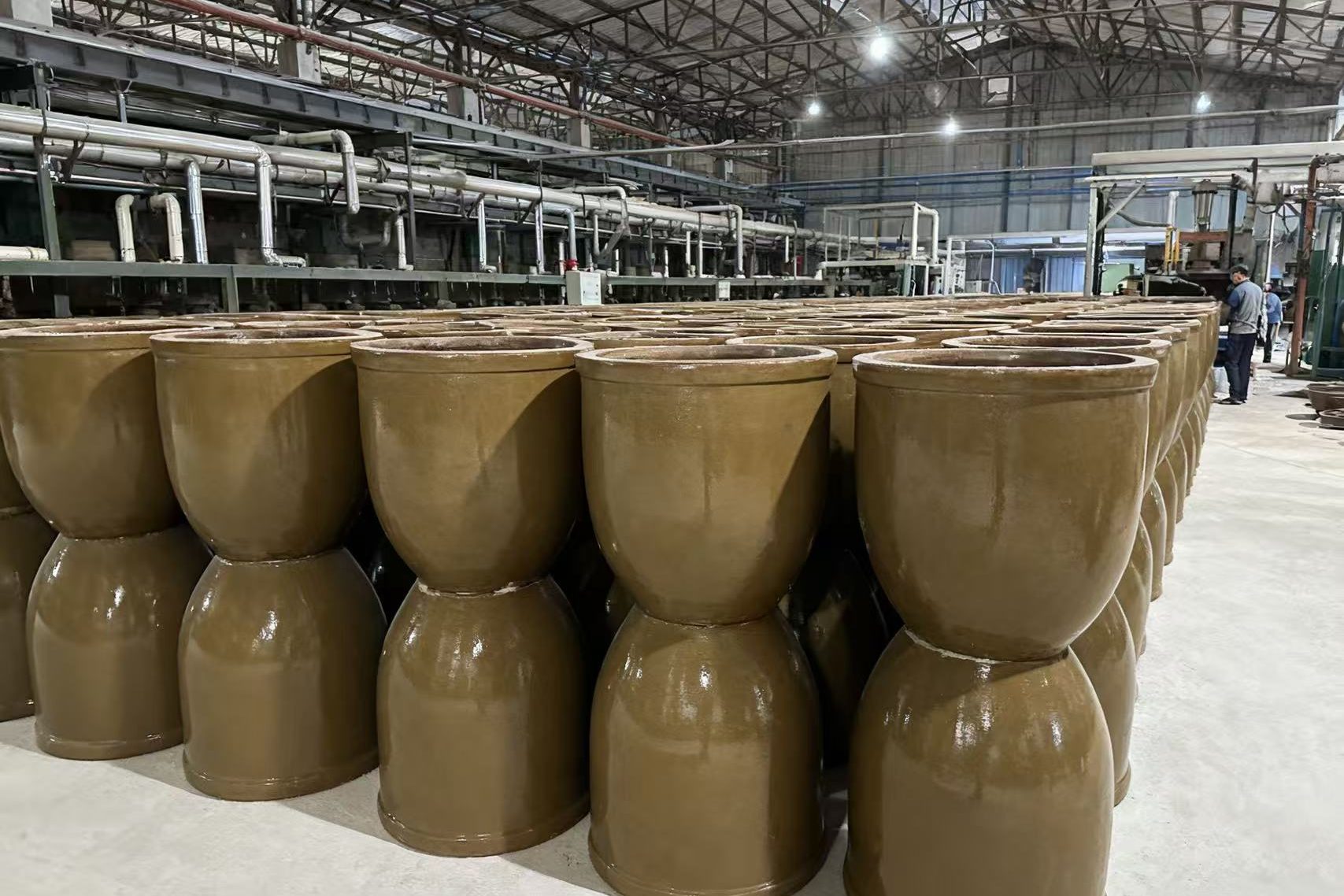
Why can some people’s fermentation crocks last for seven or eight years, while others’ have a very short lifespan? The biggest difference does not lie in the quality of the fermentation crocks, but in whether you maintain them correctly. So, how should we maintain and use them? If you are also curious about this question, then I will answer it for you one by one below.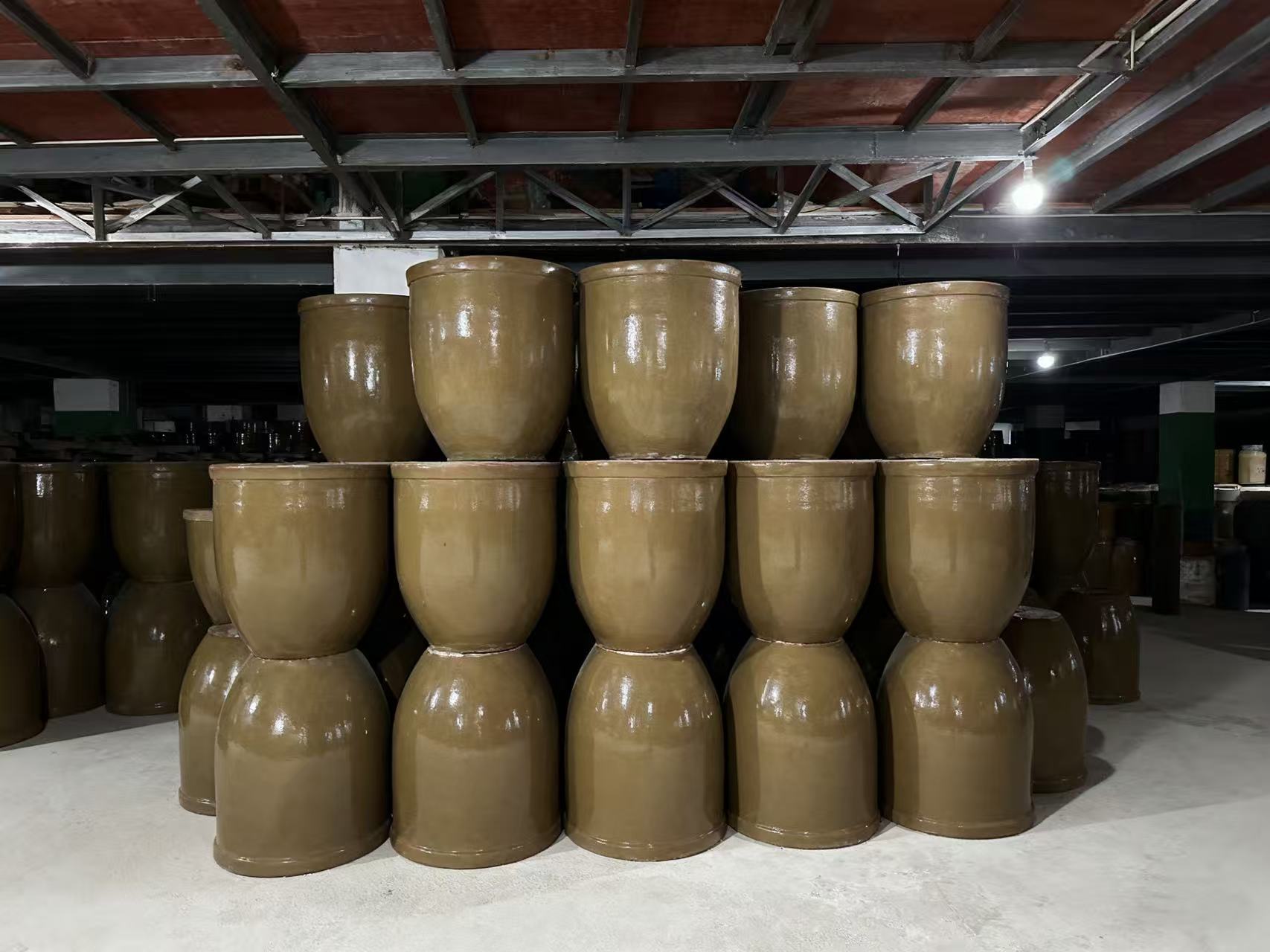
Short lifespan of fermentation crocks is due to incorrect usage and maintenance. The following several methods can effectively improve this issue.
- Pre-use cleaning
- The natural clay is shaped and then fired at high temperatures to form a fermentation tank that can store and brew.
- There may be a slight dust coating on the surface. It must be thoroughly cleaned before use.
- Mix 10 milliliters of detergent with one liter of warm water and use it to scrub the inside and outside of the tank.
- Rinse the fermentation tank with running water three to five times, and then check if there is any detergent residue.
- Fill the tank with water and disinfect it in a high-temperature environment. Finally, drain the water and it is ready for use.
- Maintenance during use
- Cleaning after each use: After each use, the fermented contents in the jar should be emptied immediately.
- Rinse the inside and outside of the jar with warm water at 30 to 40 degrees Celsius. For stubborn residues adhering to the jar, gently wipe them with a sponge.
- Do not use hard brushes or other objects to wipe the inside and outside of the jar to avoid damaging it.
- If an unpleasant odor is detected after cleaning, add baking soda to the warm water and clean again. Let it air dry naturally.
- Precautions
– Do not use highly acidic detergents to clean the fermentation tank. They can disrupt the original balance in the tank and may leave chemical residues.
– After cleaning, do not dry with a towel. Just let it air dry. Towels may have bacteria on their surface, which could be transferred to the fermentation tank.
- Storage Location of Fermentation crocks
- Fermentation crocksshould be placed in a cool and well-ventilated area, avoiding direct sunlight.
- When not in use for a short period, they can be inverted in a cool and well-ventilated place with a small gap left for ventilation to prevent mold growth.
- Keep them away from air conditioner outlets and other high-temperature areas to avoid cracking due to thermal expansion and contraction.
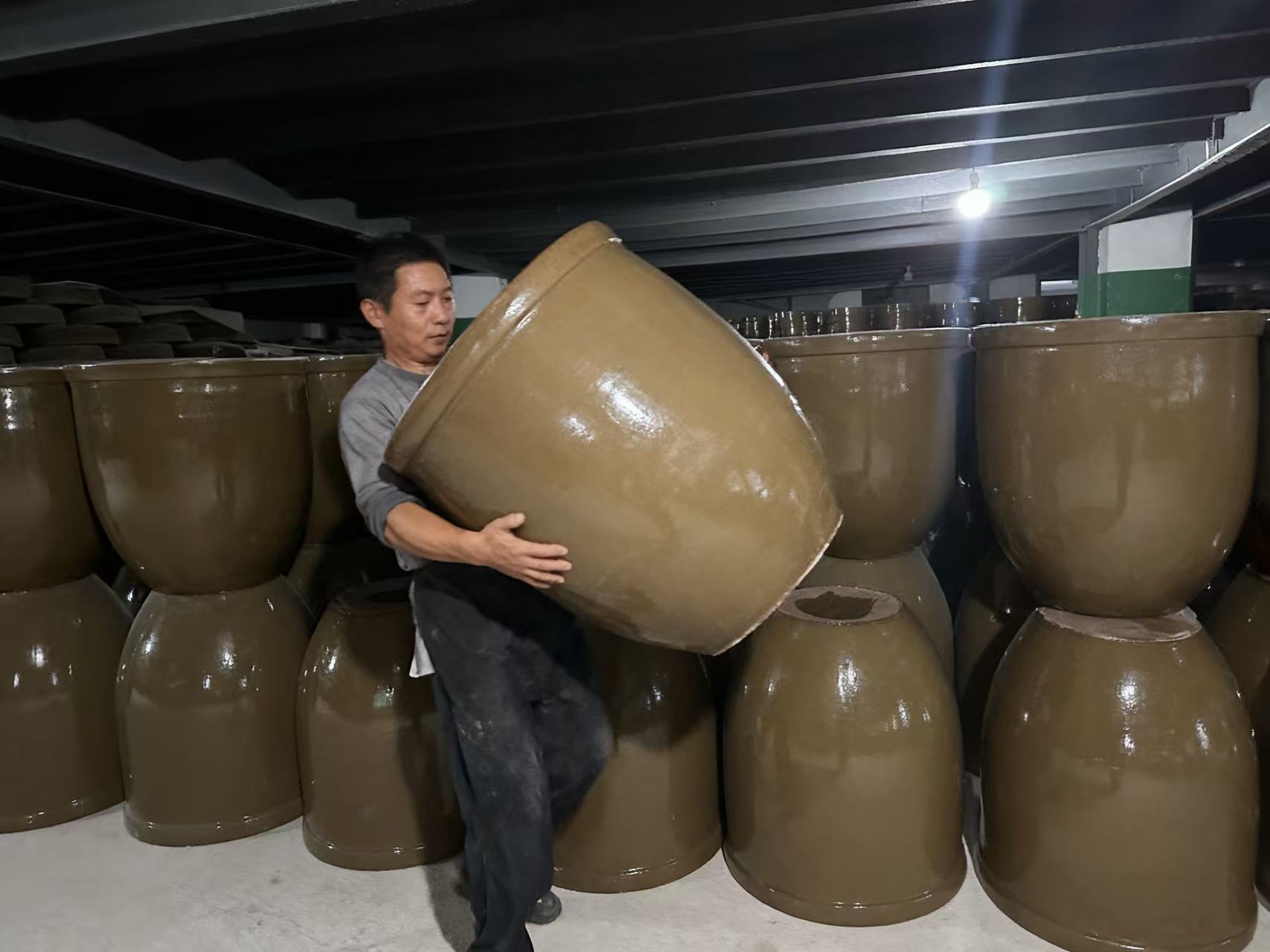
- Regularly check the condition of the crocksfor any signs of cracking. If there are cracks or leaks, replace them promptly.
FAQ
- Can earthenware fermentation crocksbe put in the refrigerator?
No. Because the temperature in the refrigerator is too low, doing this repeatedly will cause the jar to crack. It also cannot be put in the oven, as the high temperature will cause the color of the glaze to change and even deform the fermentation jar.
- Will earthenware fermentation crockscontain any harmful chemicals? How to choose the right earthenware fermentation jar?
High-quality earthenware fermentation crocks do not contain any harmful chemicals. When purchasing, pay attention to whether the merchant has indicated that it is certified for food contact. Prioritize choosing crocks with uniform color, no small holes, and no odor.
- Do earthenware fermentation crocksneed to be sealed?
This depends on the different fermentation materials and methods. For example, when fermenting sauerkraut and wine, the jar needs to be completely sealed. For sourdough and naturally fermented foods, a small amount of air circulation is allowed, and a semi-sealed fermentation method can be used.
Conclusion
Maintenance is the key to extending the service life of earthenware fermentation crocks and ensuring the quality and safety of fermented foods. Strictly following the requirements for cleaning and disinfection, proper use, and scientific storage can not only prevent problems such as tank body damage and mold growth, but also keep the fermentation crocks in a stable working condition for a long time, providing reliable support for the production of various fermented delicacies.