

After understanding the basic knowledge of wine containers, we focus on the most practical and common types of earthenware wine jars, helping you precisely match your needs and unlock the best flavor storage experience for your wine. 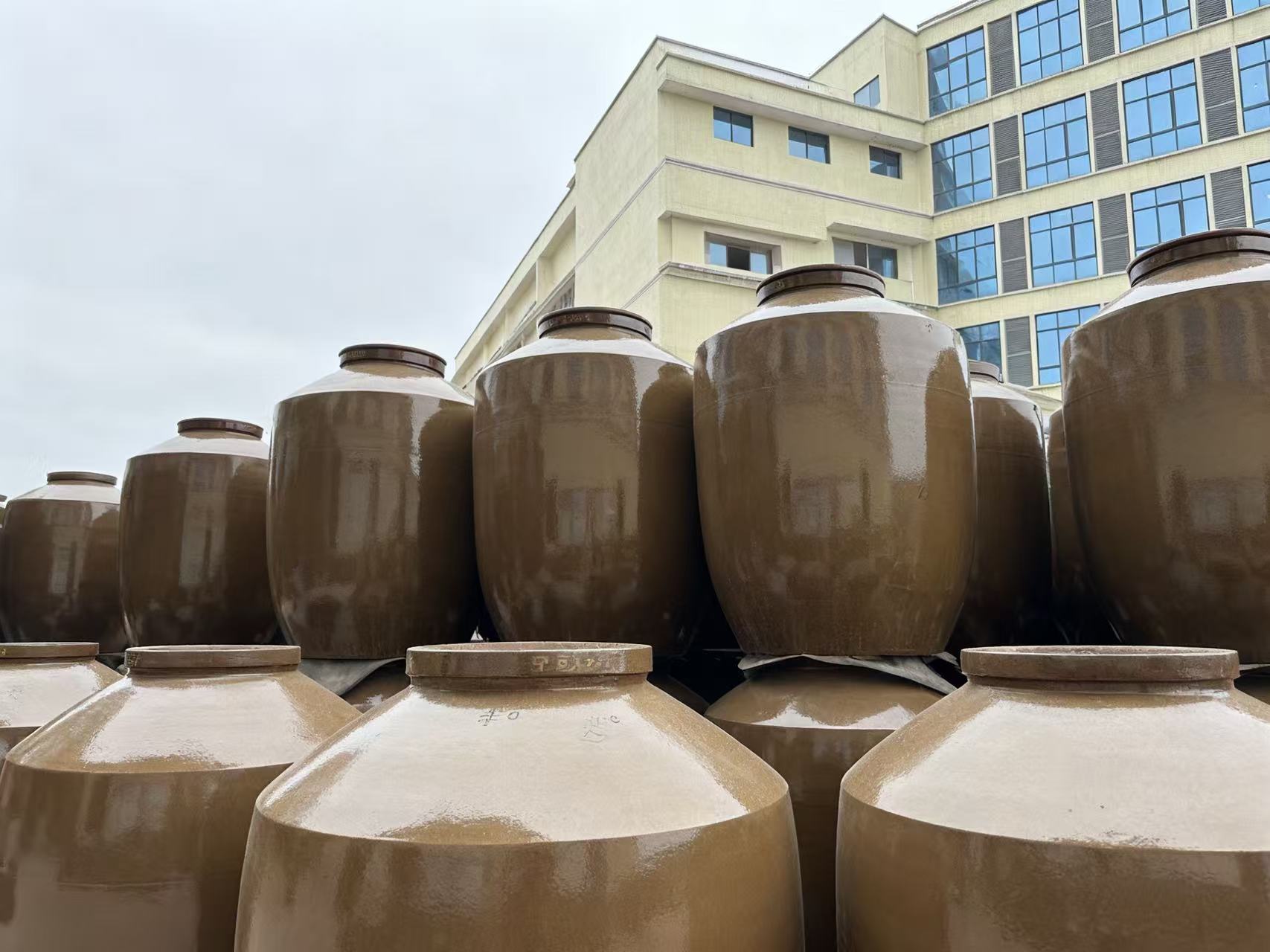
Aged clay wine jars
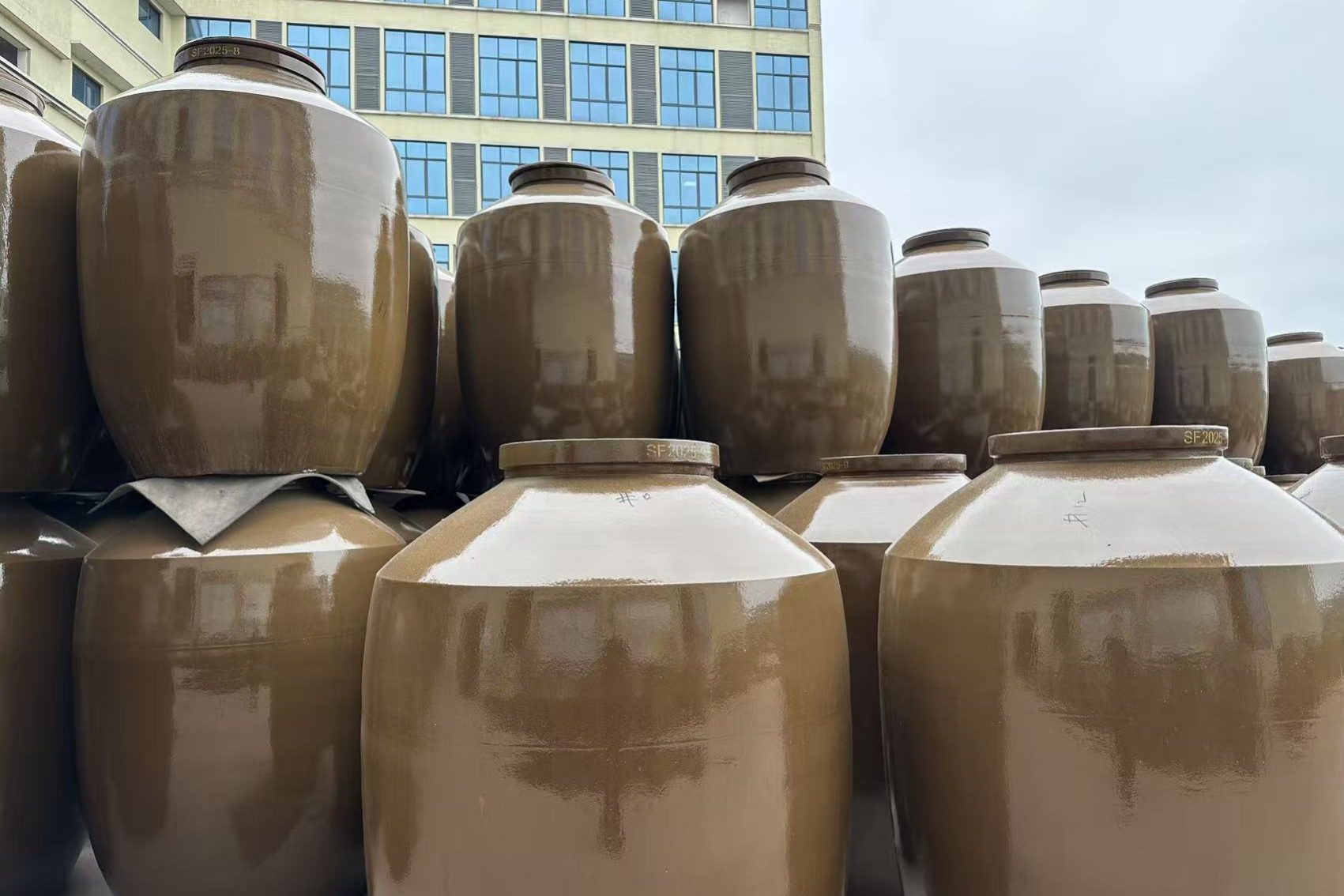
The aged clay jars is characterized by a wide belly and a narrow mouth. The wall thickness is moderate, usually ranging from 8 to 12 cm, which can slowly regulate the temperature and humidity inside the jars, simulating the aging environment of a natural wine cellar. It is very suitable for storing red wines with high tannin content that require long-term aging. The wide belly design allows the wine to fully contact the trace minerals on the jars wall, softening the tannins and blending the flavors. The narrow mouth can reduce the contact between the wine and air, avoiding excessive oxidation. The jars body usually has an excellent sealing clay lid, further locking in the aroma of the wine.
A wine jars made of sobering clay
The decanter type clay jars are versatile tools that serve both storage and decanting functions. They are also the most widely used type for home use. Compared to the aging-type jars, they are longer in shape, have a wider mouth, and a slightly conical belly design that allows the wine to form a natural vortex when poured, accelerating the release of aroma and the evaporation of excess ethanol. Compared to glass decanters, the natural permeability of clay can gently oxidize the wine, preventing flavor loss, and they have excellent adaptability. If you need a clay jar that can handle daily consumption and small tastings, it is your top choice.
Many people tend to confuse the decanter type type clay jars with the aging type ones. The core difference between the two lies in the size of the jar opening and the thickness of the walls: The opening of the decanter type jars is wider and the walls are 5-8 cm thinner, focusing on rapid wine awakening; while the aging type jars have a narrower opening and thicker walls, focusing on long-term storage. However, both can protect the wine flavor through the properties of the clay. The wide opening design of the decanter type jars is more suitable for quickly stimulating the aroma of the wine liquid in a short period.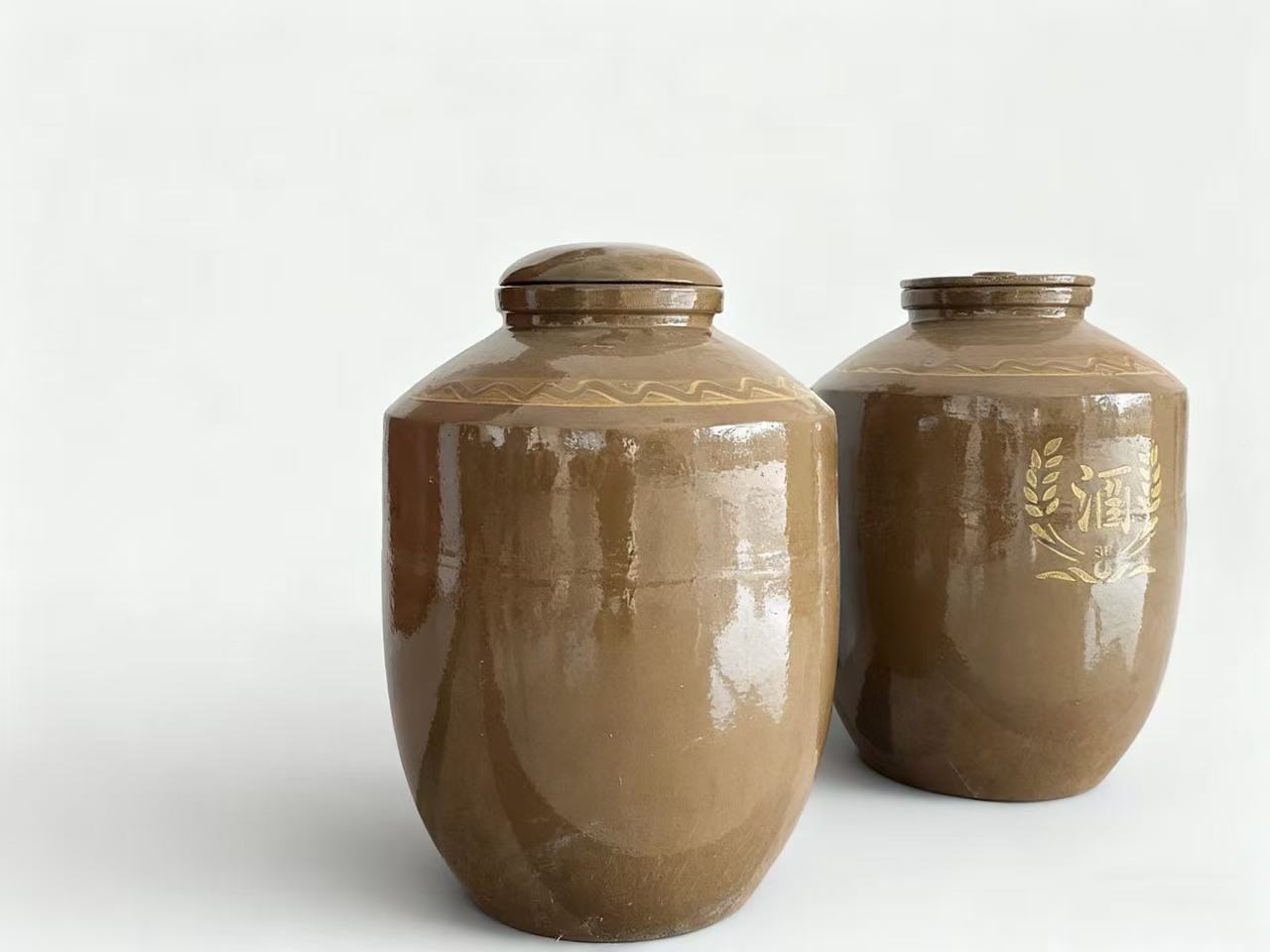
Glazed and Unglazed: The Choice of Ceramic Jar Materials
When choosing terracotta jars, whether the material is glazed or not is the key decision point. There is no absolute superiority or inferiority between the two; they are merely suitable for different needs.
The reasons for choosing glazed clay wine jars
- The inner and outer walls of the glazed clay wine jars are all coated with natural mineral glaze.
- The surface is smooth and dense, completely preventing direct contact between the wine and the clay, thus avoiding the influence of mineral flavors on the wine taste.
- The sealing performance is stronger, making it suitable for storing wines with pure flavors and delicate aromas.
- The jar body is easier to clean, with less residue of wine stains, and has a more decorative appearance. The glaze color is rich, suitable for various home styles.
The reasons for choosing unglazed clay pots
- Unglazed clay jars have excellent air permeability, allowing the wine to breathe slowly.
- They are suitable for storing rich-tasting red wines that need aging, and can also add unique mineral aromas to the wine.
- They are made of natural and environmentally friendly materials, lightweight, easy to store, and have an affordable price, making them ideal for enthusiasts who value the flavor changes during wine aging.
Summary: The core principles for choosing the appropriate clay wine jars
The choice of clay wine jars directly affects the storage condition and drinking flavor of the wine, and is just as important as the selection of the wine itself. When choosing wine jars, it is necessary to consider the characteristics of the wine and the usage scenario: for long-term aging, select the type with a wide belly and a narrow mouth; for daily wine tasting and drinking, choose the type with a long and wide mouth.
By matching the bottle shape with the wine type, we can fully utilize the natural advantages of the clay material and maximize the potential of the wine’s flavor, allowing each drinking experience to fully appreciate the purest taste and aroma of the wine.