


Terracotta plant pots are typically made from natural terracotta, offering excellent air permeability and water drainage. They allow plant roots to have moderate contact with air, promoting healthier growth, lusher foliage, and more vibrant green leaves.
What Exactly Is a terracotta Flower Pot?
A terracotta flower pot is a gardening container crafted from natural terracotta. It undergoes processes like hand shaping, machine pressing, or mold forming, followed by high-temperature firing.
The most notable features of terracotta plant pots are their natural air permeability and structural stability. terracotta itself is rich in natural minerals such as iron and potassium. During high-temperature firing, physical and chemical reactions occur, creating numerous tiny pores. These micropores enable slow air exchange between the inside and outside of the pot while regulating the moisture balance of the soil. This is the key reason why plants grown in terracotta plant pots are more drought-tolerant, less prone to root rot, and maintain better overall growth conditions.
Core Types of terracotta plant pots: Classified by Usage and Form Design
Classified by Planting Purpose
Terracotta plant pots are categorized into succulent-specific pots, foliage plant pots, and flowering plant pots, with each shape tailored to the growth habits of different plants.
Succulent-Specific terracotta plant pots: This is the most popular specialized type, characterized by a slightly constricted rim, shallow body, and large bottom drainage holes. The shallow design reduces soil usage and prevents waterlogging and root rot; the large drainage holes accelerate water discharge, making them perfect for drought-tolerant, waterlogging-sensitive varieties like succulents and cacti, keeping their roots in a dry, well-ventilated environment.
Foliage terracotta plant pots: Mostly cylindrical with a taller body and moderate wall thickness. The deep design meets the deep-root growth needs of foliage plants such as pothos, monstera, and spider plants. The ample soil capacity stores more water and nutrients, and combined with the terracotta’s breathable properties, it ensures root respiration while maintaining soil moisture, ideal for long-term indoor care.
Flowering terracotta plant pots: Often wide-mouthed round or square pots with an open rim and slightly bulging belly, providing ample growing space for flowering plants like roses, jasmine, and clivia. The wide rim facilitates light exposure, and the bulging belly accommodates more nutrients, supporting bud formation and extending the flowering period. Additionally, trace minerals in the terracotta slowly seep into the soil, enhancing flower quality.
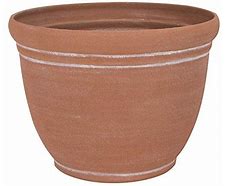
Classified by Firing Process
Terracotta plant pots are divided into unglazed and glazed types, with each process imparting distinct characteristics to suit different needs.
Unglazed terracotta plant pots: Fired without an enamel coating, retaining the terracotta’s original texture. They have higher porosity, offering exceptional air permeability and water drainage, allowing plant roots to “breathe” freely and effectively regulating soil moisture balance. Ideal for plants requiring low-maintenance care and resistance to waterlogging, especially succulents and herbs. The terracotta’s natural properties also help adjust soil pH, benefiting plant growth. They are made from natural, eco-friendly materials without chemical glazes, ensuring high safety. They are relatively lightweight, easy to transport and place, and affordable, making them a top choice for novice gardeners and large-scale planting. Over time, the surface develops a unique retro patina from natural soil pigments, exuding a simple, rustic gardening ambiance.
Glazed terracotta plant pots: Coated with a natural mineral glaze on both the inner and outer surfaces, available in a wide range of colors—from classic blue, white glazes to colorful artistic glazes. The smooth, dense surface completely isolates the soil from direct contact with the terracotta, preventing soil salts and moisture from eroding the pot and avoiding stain absorption. Cleaning is effortless, requiring only a damp cloth wipe. They offer superior sealing performance, slowing soil moisture evaporation, making them suitable for moisture-loving plants with high soil cleanliness requirements, such as clivia and phalaenopsis. With an exquisite, aesthetic appearance, they combine planting functionality with decorativeness, complementing various home styles including modern minimalist and traditional Chinese classical.
Firing Process of terracotta plant pots
The production of high-quality terracotta plant pots involves five critical steps to ensure hardness and structural stability:
Loading the Kiln: Place pot blanks neatly into the kiln, leaving a 5–8 cm ventilation gap between each blank to prevent sticking or deformation during firing.
Preheating: Gradually raise the temperature from room temperature to 600°C over 2–4 hours on low heat, thoroughly removing residual moisture and organic matter from the blanks to prevent cracking during high-temperature firing.
Temperature Rising: Increase the temperature uniformly to 1000–1200°C according to process requirements, maintaining it for 8–12 hours to fully fuse and bond the terracotta particles, forming a stable structure.
Heat Preservation: Hold the target temperature for 3–5 hours to ensure uniform texture throughout the pot, enhancing hardness and durability.
Cooling: After natural shutdown, allow the kiln temperature to drop slowly to room temperature to avoid pot cracking due to extreme temperature differences. The finished products are ready for removal from the kiln.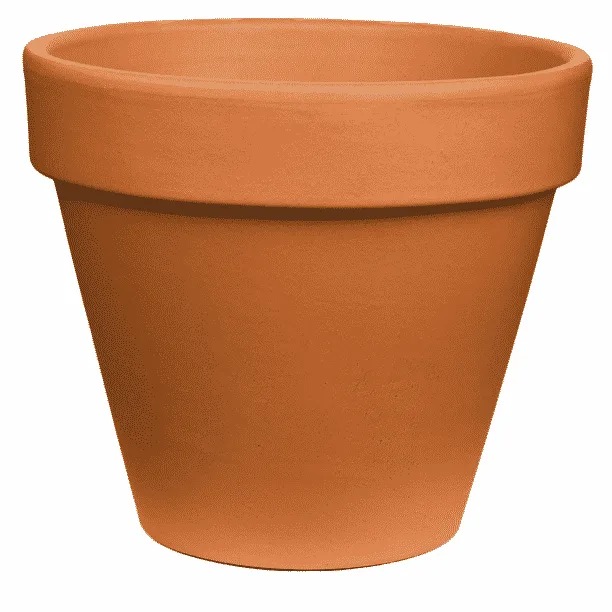
FAQ
Why do plants in terracotta plant pots develop yellow leaves, and how to fix it?
Yellowing may result from soil waterlogging or nutrient deficiency. If the soil is moist, stop watering and move the pot to a well-ventilated area to speed up moisture evaporation; follow the “water only when the soil is dry” rule for future watering. If the soil is nutrient-poor, bury a small amount of organic fertilizer— the terracotta’s air permeability will promote root nutrient absorption, alleviating yellowing.
What to do if a terracotta flower pot cracks or leaks water?
Cracks are usually caused by impact, extreme temperature changes, or improper watering. For small cracks , dry the pot and seal the cracks with cement paste or plant-specific sealant. For large cracks or severe water leakage, replace the pot to avoid root exposure, soil loss, or root rot.
How to clean moss growing on the surface of a terracotta flower pot?
Moss growth is triggered by moist soil and poor ventilation. Scrub the surface with a stiff brush dipped in diluted white vinegar , rinse thoroughly with clean water, and air-dry before placing it back. Reduce watering frequency and improve ventilation afterward to prevent moss recurrence.
Conclusion
High-quality terracotta plant pots are made from natural terracotta without harmful chemicals, ensuring high safety. With their inherent air permeability and water drainage, they perfectly align with plant growth needs—preventing root rot while slowly releasing minerals to nourish plants, resulting in stronger root systems, brighter leaves, and no odor or soil contamination during long-term use. Whether you’re a novice gardener or an experienced enthusiast, terracotta plant pots can adapt to various planting scenarios—from indoor desks and balcony shelves to courtyard flower beds—meeting both plant growth needs and adding a touch of natural vitality to your living space.